
Guide · Green claims
EU greenwashing rules: green claims done right
Since September 27, 2026, stricter EU rules apply to advertising with environmental claims. Generic words like “eco-friendly” or “carbon-neutral” are no longer allowed without proof, and self-made eco labels not at all. Here's what that means for your product pages and posts if you sell to customers in the EU.
What changed
EU Directive 2024/825 protects consumers from misleading environmental claims. EU countries had to write it into their own law, and the new rules apply from September 27, 2026, in Germany through an amendment to its unfair competition act (UWG).
They cover all advertising to consumers, including product pages, Instagram posts, stories and newsletters. Don't count on a grace period for products and packaging that are already labelled: check existing copy too.
What's no longer allowed
- Generic environmental claims such as “eco-friendly”, “sustainable”, “green”, “eco” or “climate-friendly” that you can't prove.
- “Carbon-neutral” or “reduced carbon footprint” when the claim is based on offsetting, such as bought certificates.
- Your own labels and made-up seals. Only labels set up by public authorities or based on a recognized certification scheme are allowed.
- Claims about the whole product when they only concern part of it, such as the packaging.
- Future promises like “carbon-neutral by 2030” without a detailed plan, regular independent checks and public results.
Symbols such as green leaves, and even product or brand names, can count as environmental claims if they suggest a better environmental impact.
Any product
Works for
your shop.
Three shops, three styles, written in German. Click through the slides.
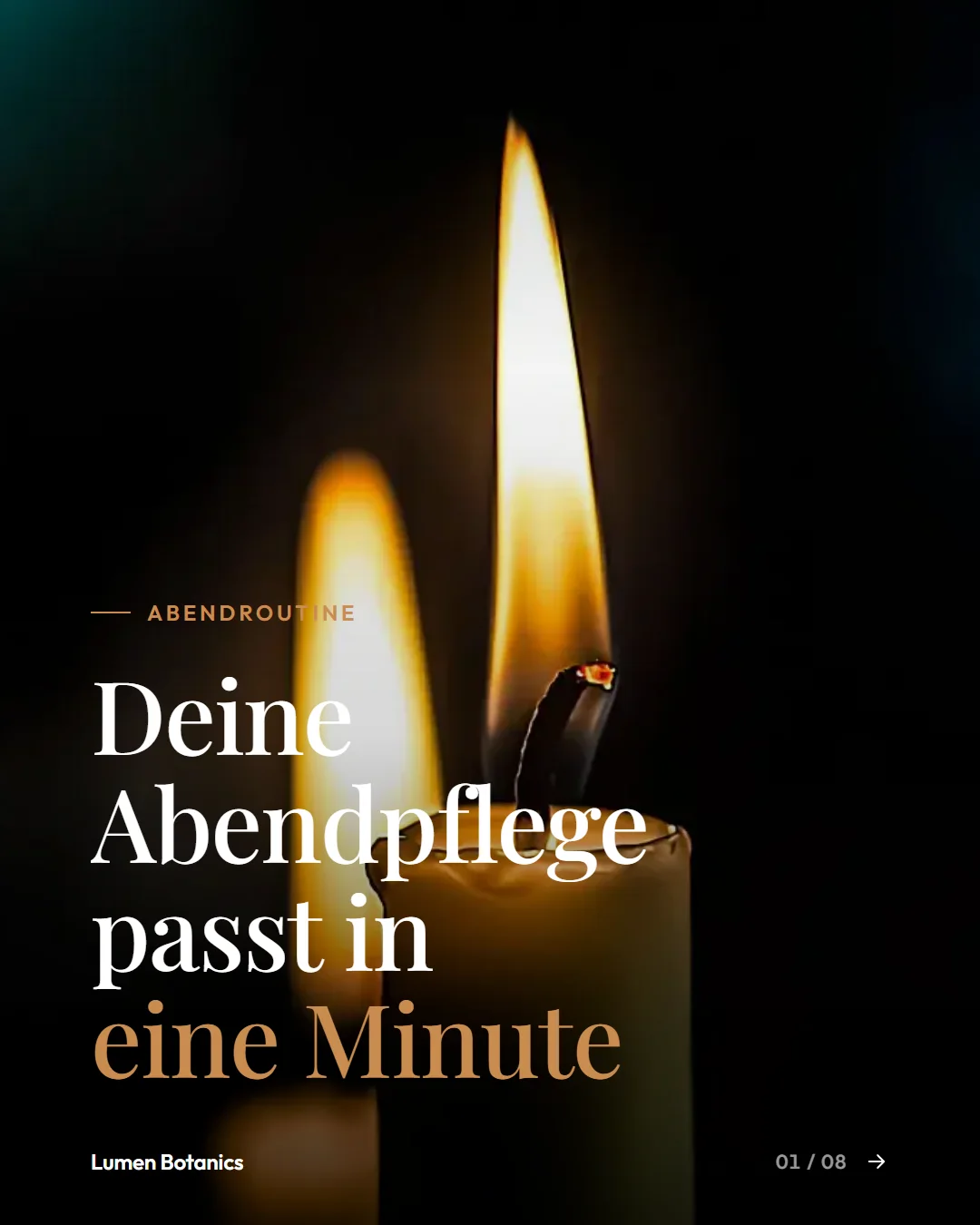
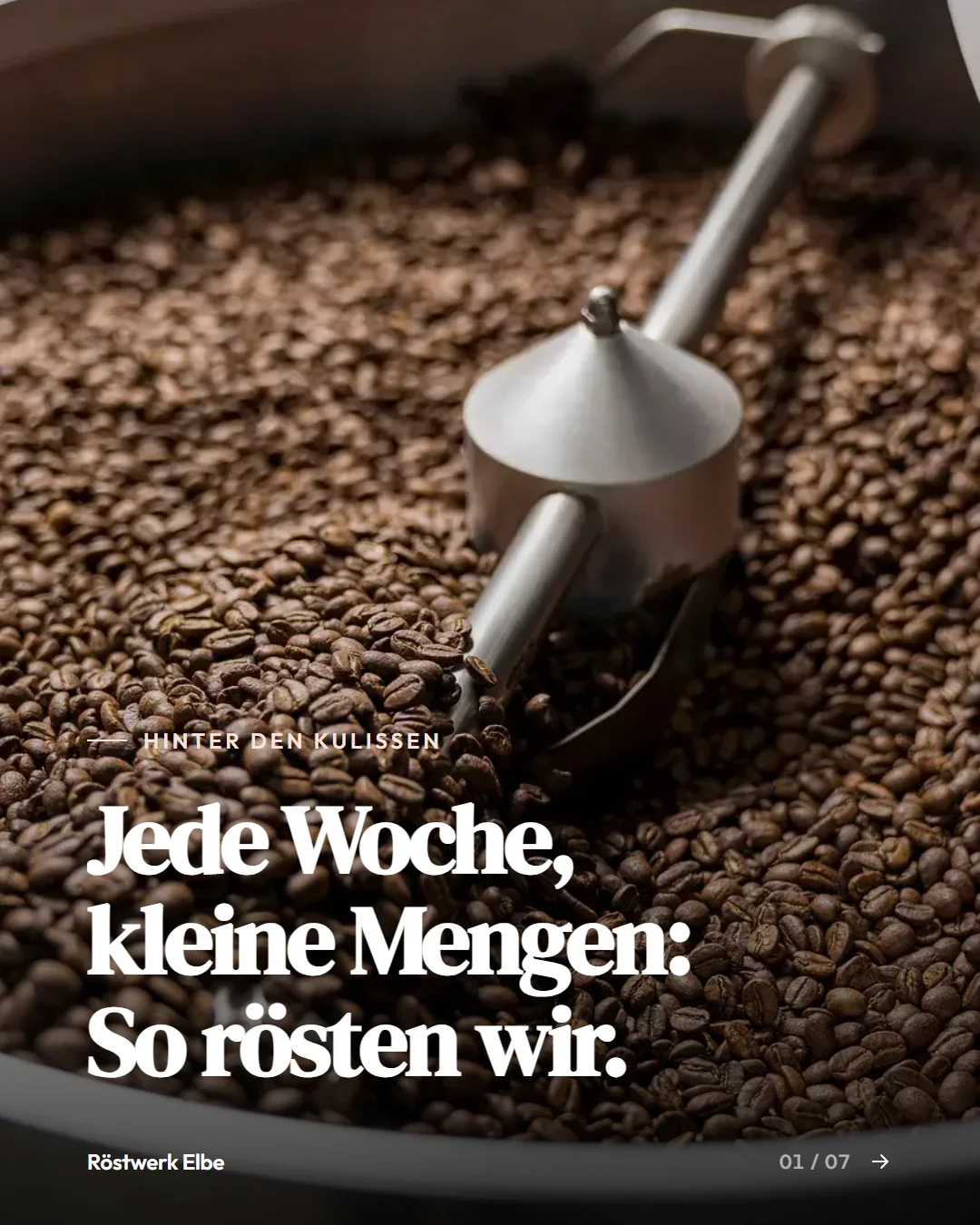
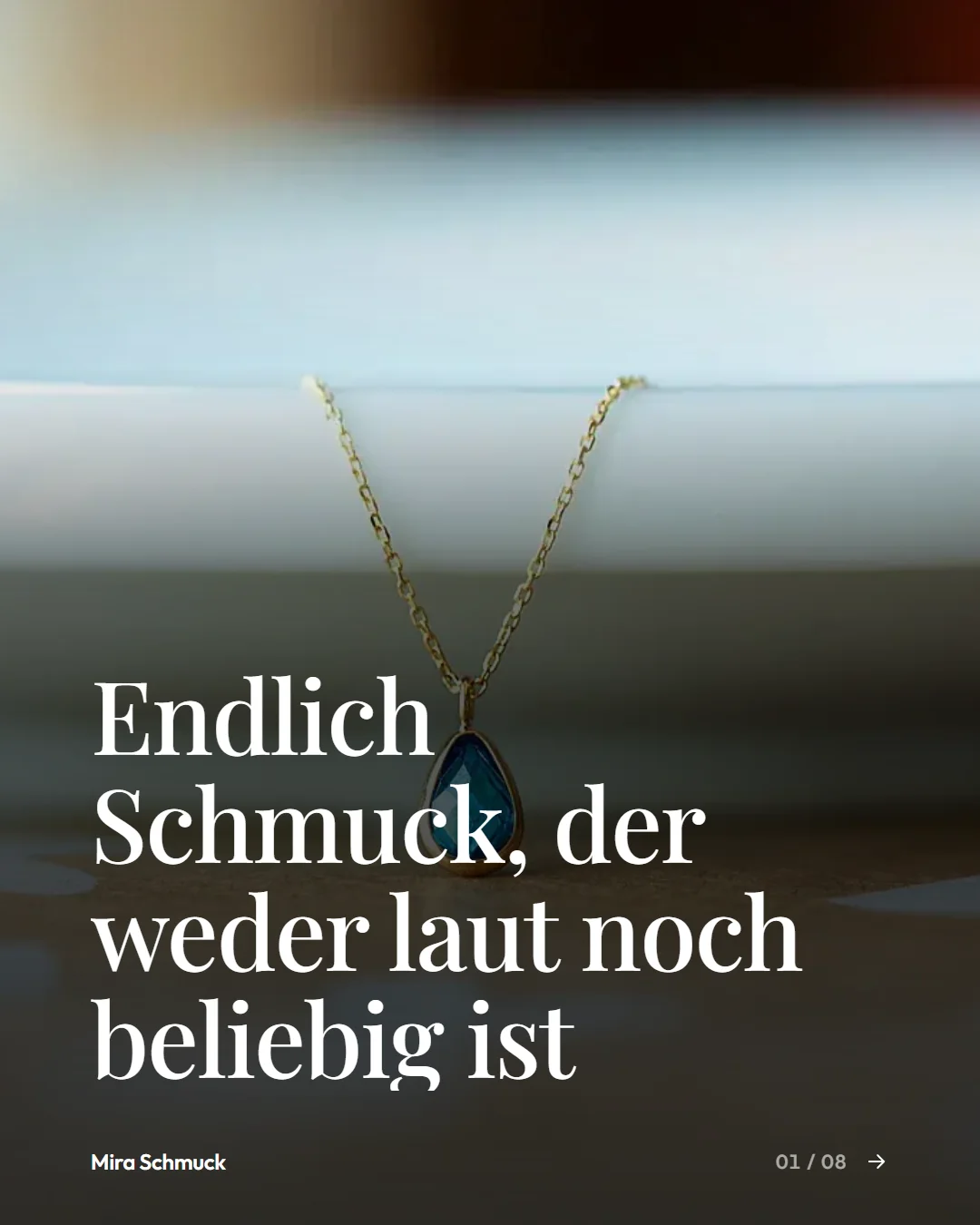
Fictional demo shops · real Marqain campaigns · photos from Pixabay
See all examples with captionsWhat still works
Specific, provable claims are still fine if you explain them clearly in the same place. A link to another page isn't enough.
| Instead of | Better, if it's true and you can prove it |
|---|---|
| eco-friendly packaging | shipping box made of 100% recycled paper |
| sustainably made | made from organic cotton, certified to a recognized standard |
| our eco seal | only labels from public authorities or recognized certification schemes |
How to check your copy
- Search your product pages, posts and newsletters for environmental words and green symbols.
- Replace generic words with specific properties you can prove.
- Keep your evidence at hand: certificates, data sheets, supplier information.
- Check your labels and keep only official or recognized certified ones.
- Run new copy through the ad claim checker before you post.
How Marqain helps
The ad claim checker flags environmental claims such as “sustainable”, “carbon-neutral”, “eco-friendly” or “biodegradable”: free without sign-up, and live in the editor. Marqain writes campaigns only from the facts on your product page and shows the quote behind every statement, so you can see at once whether a green claim really comes from you.
Frequently asked questions
Can I still say “sustainable”?
Not as a generic claim without proof. A specific, provable statement explained clearly in the same place is still fine, for example what the product is made of and how that is certified.
Is “carbon-neutral” banned now?
When the claim is based on offsetting emissions, it is no longer allowed towards consumers in the EU.
Do the rules apply outside the EU?
This guide covers the EU rules. Other countries have their own rules on green claims, so check the ones where your customers are.
Is this legal advice?
No. This guide sums up the basic rules as of October 2026. For your specific case, ask a lawyer or your chamber of commerce.
What does the ad claim checker cost?
Nothing, and you don't need an account. If you want whole campaigns for your products: your first Marqain campaign is free, and downloading needs a plan at €11.99 a month or €99 a year.
Try it with your product.
Paste a product link and see three ready-made carousels in a few minutes.